

Allergies – Symptoms and Causes
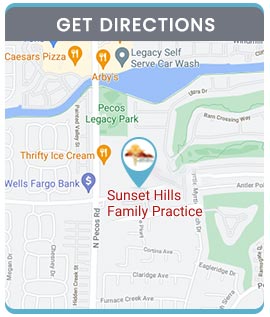
At Sunset Hills Family Practice in Henderson, NV, Dr. Cornell Calinescu, MD helps patients identify and manage allergy symptoms caused by environmental or food triggers. Common signs include sneezing, congestion, itchy eyes, and skin irritation. By pinpointing the underlying causes, Dr. Calinescu provides personalized care to reduce discomfort and improve daily well-being. For more information, contact us or schedule an appointment online. We are located at 2510 Wigwam Pkwy Suite 102, Henderson, NV 89074.


Table of Content:
What causes allergies to develop in certain people?
How can I tell if my symptoms are due to allergies or a cold?
What are the most common triggers of seasonal allergies?
Can allergies develop later in life even if I never had them before?
How does Dr. Cornell Calinescu, MD, personalize allergy treatment through education and communication?
At Sunset Hills Family Practice, we understand that allergies can significantly impact the well-being of our patients and their families. Allergies occur when your immune system reacts abnormally to substances that are typically harmless—such as pollen, certain foods, pet dander, or dust mites. Both genetic and environmental factors play a role in the development of allergies. If you have a family history of allergies, asthma, or eczema, you may be more likely to experience allergic reactions yourself, highlighting the hereditary nature of these conditions.
Environmental exposures are also important. For example, early exposure to allergens, air pollution, or certain infections during childhood can increase your risk of developing allergies. In our practice, we often see that lifestyle factors, including diet, time spent indoors, and even local air quality, can influence allergy symptoms.
When you have allergies, your immune system mistakenly identifies a normally harmless substance—called an allergen—as a threat. This triggers the production of antibodies known as Immunoglobulin E (IgE). When exposed to the allergen again, these antibodies prompt immune cells to release chemicals like histamine, which cause symptoms such as sneezing, itching, congestion, or swelling.
There is also growing evidence for the “hygiene hypothesis,” which suggests that limited exposure to microbes and infectious agents in early childhood may increase susceptibility to allergies by preventing the immune system from developing properly.
At Sunset Hills Family Practice, our providers take a comprehensive approach to allergy care. We consider your personal and family medical history, environmental exposures, and lifestyle to help identify your allergy triggers and create a management plan tailored to your needs. If you or a loved one are experiencing allergy symptoms, schedule an appointment with our team to discuss diagnosis, testing, and personalized treatment options.
At Sunset Hills Family Practice, our patients often ask how to tell the difference between allergies and a common cold, as both can cause symptoms like sneezing, congestion, and a runny nose. Understanding the distinctions is important for getting the right treatment and relief.
What’s Causing Your Symptoms?
Allergies are triggered by exposure to allergens such as pollen, dust, or pet dander. Symptoms often appear suddenly and last as long as you are exposed to the allergen. In contrast, a cold is caused by a virus. Cold symptoms usually develop gradually over a few days and resolve within a week to ten days.
Key Differences to Look For:
• Itching: Allergies frequently cause itchy eyes, nose, throat, or even skin, while a cold rarely causes itching. If you’re experiencing red, watery, and itchy eyes, allergies may be to blame.
• Additional Symptoms: Colds often come with a sore throat, mild fever, body aches, or fatigue—symptoms that are uncommon with allergies.
• Type of Nasal Discharge: Allergies usually result in clear, watery mucus, while a cold may start with clear mucus that becomes thicker and yellow or green as the infection progresses.
• Timing and Duration Matter: Allergy symptoms can last for weeks or even months if you remain exposed to the trigger, whereas a cold typically resolves on its own within a week or two. If you notice symptoms at the same time every year or after being in certain environments, allergies are likely the cause.
• When to See Us: If you’re unsure whether you’re dealing with allergies or a cold—or if your symptoms are severe or long-lasting—our team at Sunset Hills Family Practice can help. We offer thorough evaluations and personalized treatment plans to help you feel your best.
What Causes Seasonal Allergies?
Seasonal allergies are commonly triggered by pollen from trees, grasses, and weeds.
• Early Spring: Oak, birch, cedar, and maple trees release high levels of pollen.
• Late Spring to Early Summer: Grass pollens such as ryegrass, Timothy grass, and Kentucky bluegrass dominate.
• Late Summer to Fall: Weed pollens, especially ragweed, are the main culprits.
Mold spores also contribute to allergies, especially after rain or in humid conditions. Outdoor fungal spores may trigger similar symptoms during late summer and fall.
• Impact of Weather on Allergies
Weather has a major influence on allergy severity. Warm, windy days spread pollen and spores, worsening symptoms, while rainy weather provides temporary relief by clearing allergens from the air.
• Personalized Allergy Care
At Sunset Hills Family Practice, our providers offer individualized allergy care to help identify triggers and reduce symptoms. Through personalized evaluations, treatment plans, and prevention strategies, we help you manage seasonal allergies effectively—so you and your family can breathe easier and stay comfortable throughout the year.
While allergies are commonly associated with childhood, it is entirely possible for adults to develop new allergic reactions to things like pollen, pet dander, certain foods, or medications. This is known as adult-onset allergies.
Allergies occur when your immune system mistakenly reacts to a harmless substance. Factors such as changes in your immune system as you age, moving to a new environment, increased exposure to new allergens, or hormonal changes can all play a role in developing allergies as an adult.
Symptoms of adult-onset allergies can range from sneezing, runny or stuffy nose, and itchy eyes, to skin rashes or, in rare cases, more severe reactions like difficulty breathing. If you start noticing these symptoms for the first time, it’s important to reach out to your healthcare provider.
At Sunset Hills Family Practice, our experienced team can help diagnose and manage your symptoms. We may recommend allergy testing to identify your specific triggers and develop a personalized treatment plan so you can feel your best.
At Sunset Hills Family Practice, Dr. Calinescu emphasizes communication, education, and continuity of care. He believes that effective allergy management comes from partnership—empowering patients with knowledge about prevention, treatment options, and lifestyle changes. Through compassionate guidance and evidence-based care, Dr. Calinescu helps patients breathe easier, feel healthier, and enjoy a higher quality of life year-round.
Dr. Calinescu offers thorough allergy evaluations, including testing to identify triggers such as pollen, pet dander, dust mites, and food sensitivities. Once identified, he creates a customized care plan that may include medication management, environmental adjustments, or targeted therapies to minimize exposure and reduce flare-ups. His goal is to help patients achieve lasting relief while promoting better respiratory and immune health.
If you’re experiencing new or unexplained allergy-like symptoms, don’t hesitate to contact Sunset Hills Family Practice. We’re here to help you get the answers you need and support your ongoing health and wellness. For more information, contact us or schedule an appointment online. We are located at 2510 Wigwam Pkwy Suite 102, Henderson, NV 89074. We serve patients from Henderson NV, Midway NV, Paradise Hills NV, Gibson Springs NV, Whitney NV, Boulder City NV, Winchester NV, and surrounding areas.





 Send Text
 How May I Help You?